


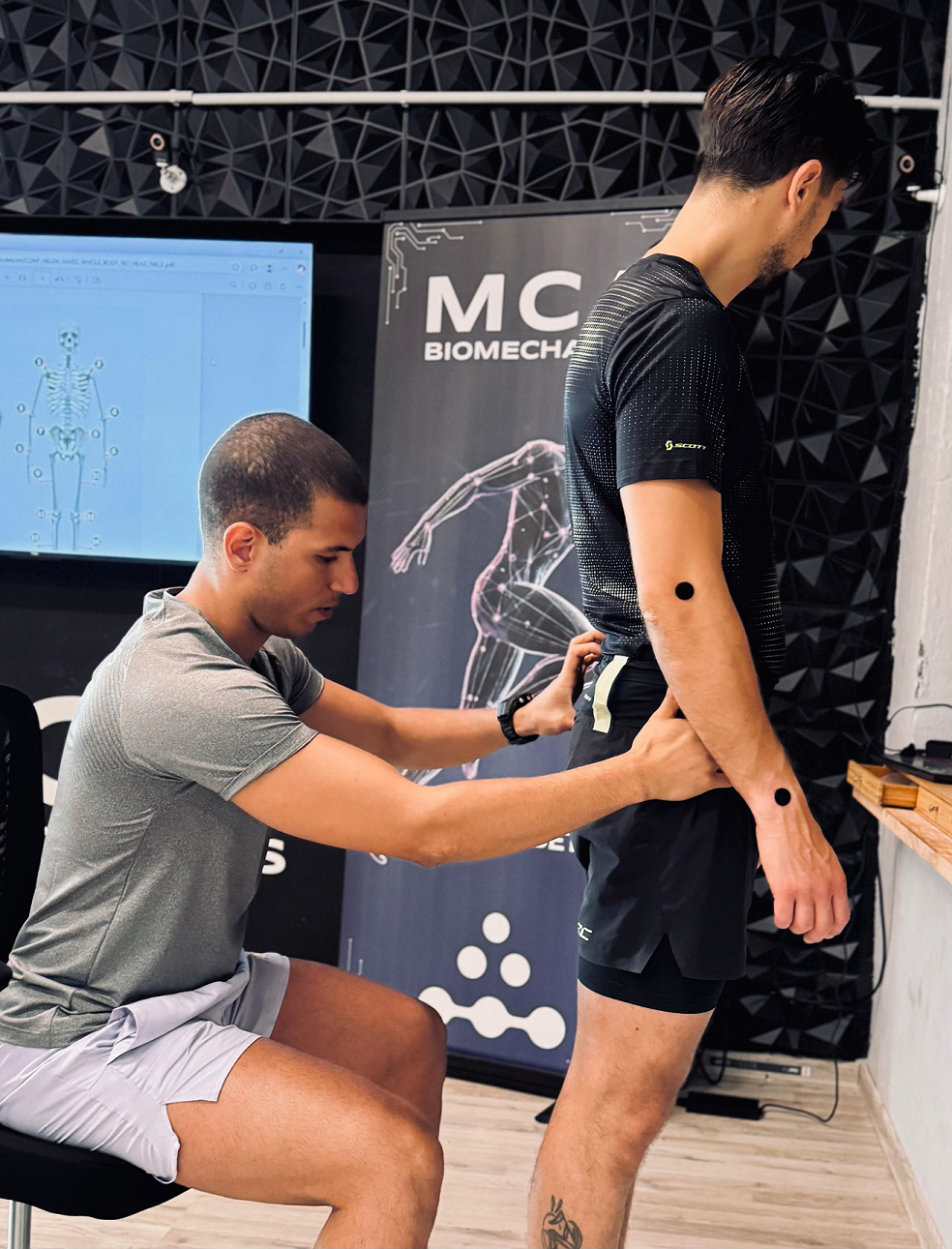
In the age of smart fitness, 3D motion capture is no longer a tool exclusive to research labs or biomechanics clinics. Instead, it’s becoming a strategic asset in specialized wellness and training facilities. This technology allows us to see beyond the trainer’s eye, quantifying joint angles, asymmetries, compensation patterns, and imbalances that would otherwise remain invisible.
MCA Italia is a paradigmatic example of this transformation. Its approach does not aim to emulate a sterile clinical environment but to combine scientific rigor with an engaging and motivating user experience. With its mission to “enhance human movement through technology,” MCA Italia is redefining what a fitness facility can offer: not just training sessions, but data-backed movement diagnostics, fully customized and precise programs, and a differentiated value proposition.
3D motion capture technology offers practical applications in specialized fitness settings and provides strategic advantages to centers that implement it. MCA Italia’s model illustrates how a gym can transform into a laboratory for movement health and performance.
Core Technology: Deconstructing 3D Motion Capture
To understand the value this technology brings to the fitness world, it is useful to break down how it works, its setup, and the types of data it produces.
Principles of Optical Motion Capture
The most reliable method for high-fidelity motion capture is passive optical capture. It is considered the “gold standard” in biomechanical research due to its accuracy and stability in controlled conditions.
A passive optical system operates with the following components:
- High-speed infrared cameras: emit infrared light (invisible to the human eye) and detect the light reflected by markers.
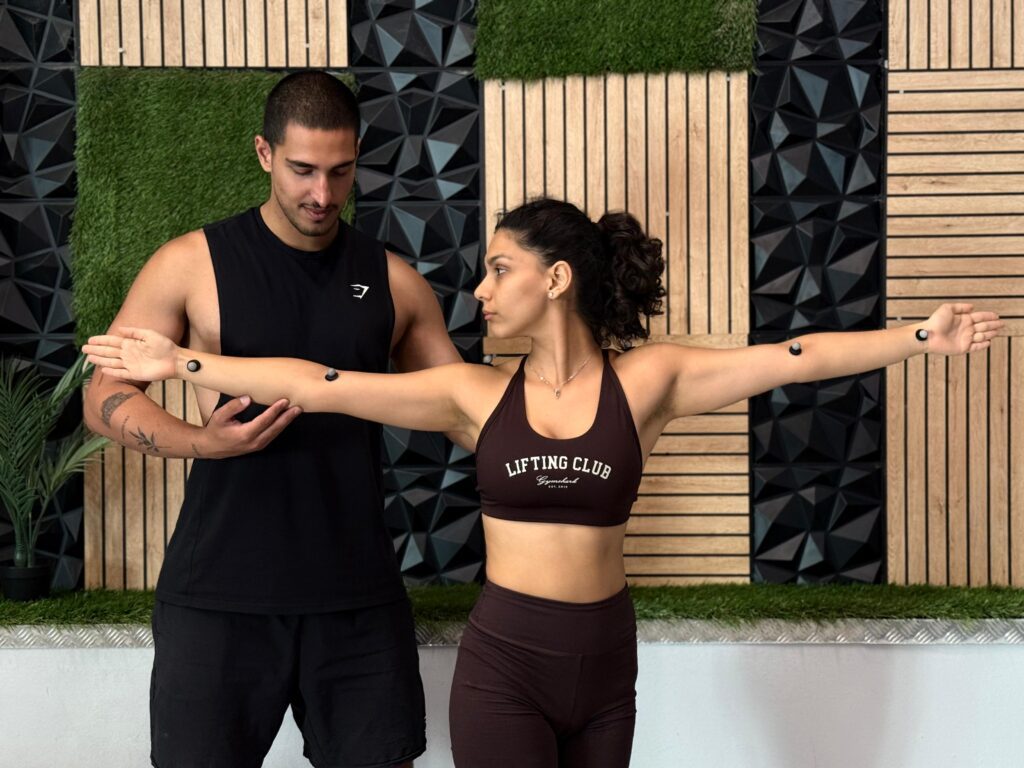
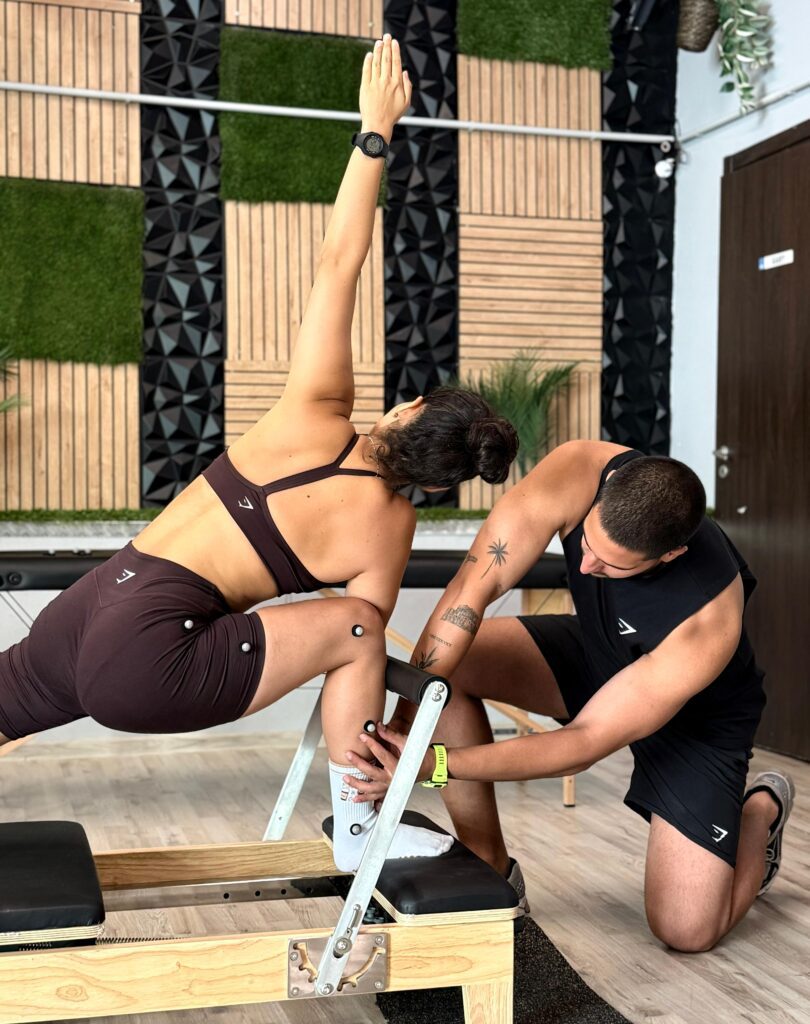
- Retro-reflective markers: small spherical or circular markers placed on key anatomical points of the body. They reflect infrared light back to the cameras.
- Synchronized 2D capture: each camera records the 2D position (x, y) of every visible marker within its field.
- 3D triangulation/photogrammetry: the software correlates 2D positions measured by at least two cameras and calculates the markers’ 3D coordinates (x, y, z).
- Digital rig/virtual skeleton: using all marker coordinates, the software constructs a digital skeleton that replicates the subject’s movement in real time, creating a “Digital Twin” of human motion.
This capture cycle repeats hundreds or thousands of times per second, allowing the measurement of displacements, angular velocities, and complex relationships between body segments with extreme precision.
MCA Italia System: 8 Cameras and High-Fidelity Analysis
MCA Italia has chosen a multi-camera system (8 high-speed cameras) with integrated optical sensors, providing full 360-degree coverage of the movement environment. This technological choice is deliberate: it minimizes marker occlusion (when a marker is hidden from a camera’s view) and ensures data integrity even in complex, fast movements.
The typical process at MCA Italia includes:
- Precise marker placement: on anatomical points such as feet, ankles, knees, pelvis, spine, shoulders, elbows, and wrists, chosen for reproducibility, anatomical reliability, and biomechanical relevance.
- Motion capture: the client performs planned movements (walking, running, squats, jumps) within the capture volume.
- Data processing: image synchronization, 3D skeleton reconstruction, and calculation of biomechanical metrics.
- Visualization and analysis: displaying the moving skeleton on screen alongside numerical data, graphs, and comparisons.
By stating that the goal of its technology is to “identify even the smallest imbalances or inefficiencies that the human eye cannot detect,” MCA Italia supports this claim through the use of a high-precision optical system rather than less accurate methods (e.g., single inertial sensors or 2D video).

Revealed Data: Objective Biomechanical Metrics
A major advantage of 3D motion capture is the generation of a massive volume of movement data that provides quantitative, repeatable diagnostics. These metrics form the basis for designing personalized interventions, longitudinal comparisons, and predictive models.
Some of the most relevant metrics include:
- Joint angles and range of motion (ROM): precise measurement of angles between segments (hip, knee, ankle, spine, shoulders, elbows) during each phase of movement.
- Asymmetry and imbalances: differences between left and right sides, degree of dominance, and possible compensations.
- Stability, mobility, and coordination: indicators of motor control integrity and inter-segmental synchronization.
- Kinematic variables: angular velocity, displacements, accelerations, cadence, ground contact time, vertical oscillation, etc.
- Force/kinetic data (integrated): when force platforms are combined with the optical system, kinematic (motion) data synchronize with ground reaction forces, producing a complete biomechanical profile (how the body moves and the forces it generates/absorbs).
- External data: EMG (surface electromyography), baropodometry, pressure mapping, heart rate, high-speed cameras, etc.
These metrics not only describe what happens but also explore why it happens in biomechanical and functional terms.
Practical Activities and Key Applications
3D motion capture is a versatile tool with applications in specialized fitness. MCA Italia structures its services around strategic use cases tailored to various client segments.
Postural Analysis and Corrective Strategies
One pillar of MCA Italia’s model is static and dynamic postural analysis. Instead of relying solely on visual observation or palpation, 3D technology quantifies postural deviations with high accuracy.
During an evaluation, the system can:
- Measure pelvic tilts, spinal misalignments, rotations, and lateral inclinations.
- Capture body alignment in standing position and during simple movements like squats or swings.
- Detect muscle compensation patterns, load imbalances, and improper weight distribution.
With this objective data, professionals can design highly specific corrective exercise programs (mobility, stability, strengthening) targeting the root cause of dysfunction rather than just visible symptoms, promoting long-lasting results and better adherence.
Running Technique Optimization and Athletic Improvement
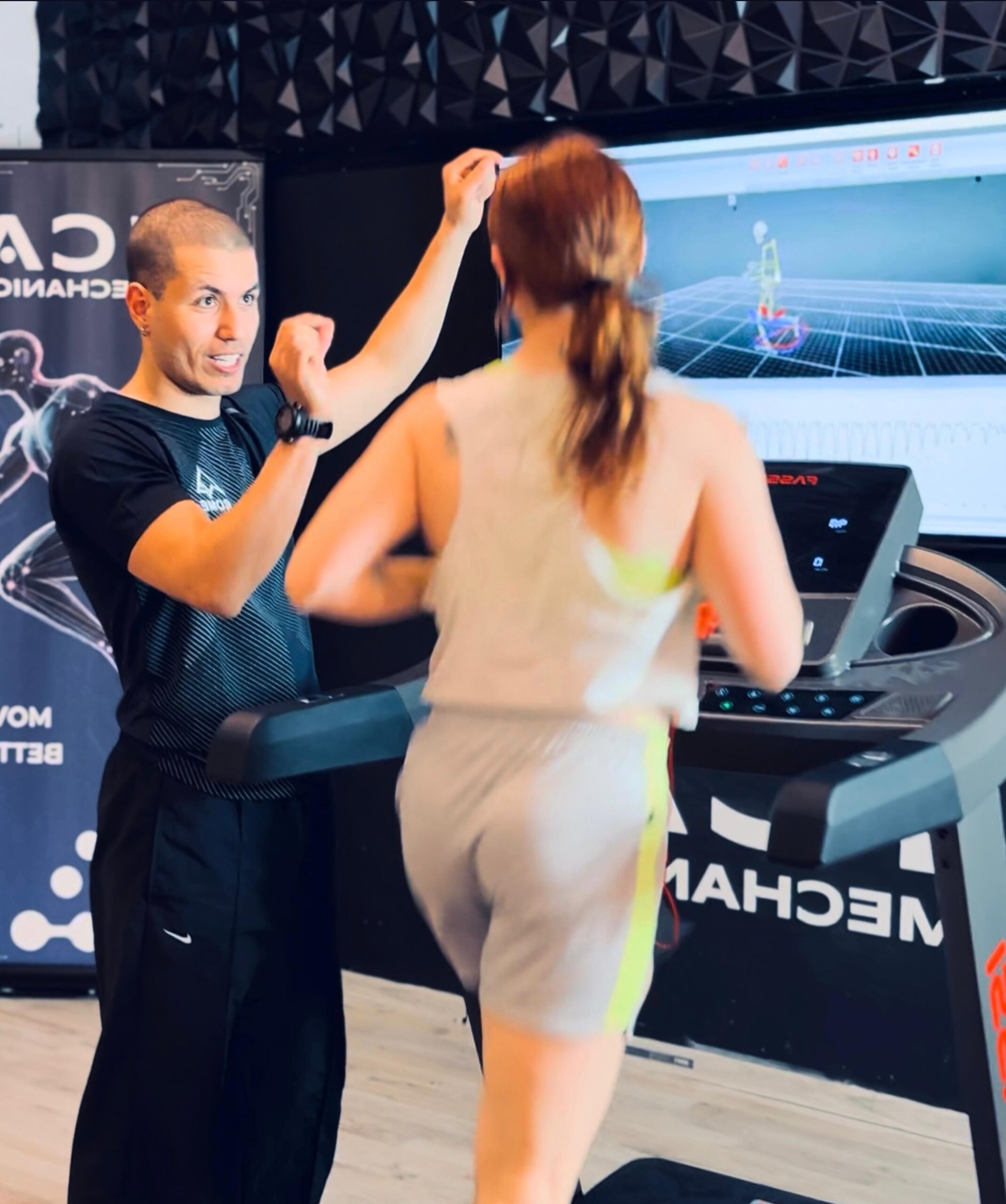
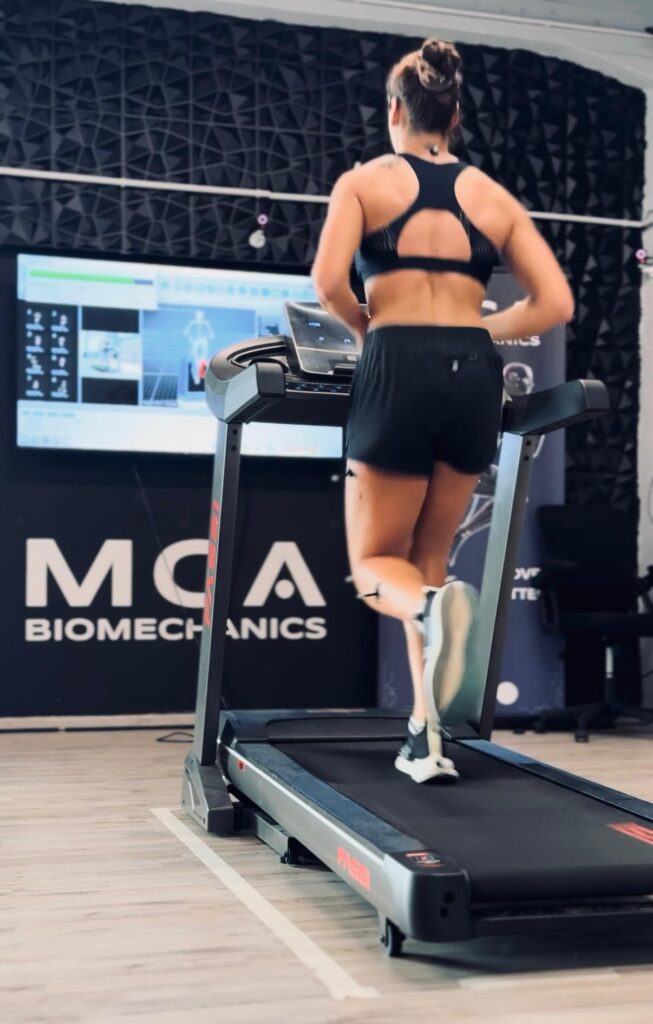
Running technique analysis is one of the most powerful applications of motion capture in high-performance sports and fitness. At MCA Italia, this is performed with the athlete on a treadmill within the capture volume.
During running analysis, multiple aspects are evaluated:
- Cadence, stride length, and frequency.
- Ground contact time and flight phase duration.
- Center of mass trajectory, vertical oscillation, pelvic drop (dynamic Trendelenburg).
- Dynamic joint angles during support and swing phases.
- Load asymmetries and leg compensations.
Using this data, the coach or specialist can provide precise recommendations (e.g., “increase cadence by 5%” or “correct left-side pelvic drop”) and, crucially, monitor athlete progress quantitatively.
This approach aims to improve running economy (performance) and prevent injuries from repetitive strain, such as tendinopathies, pain syndromes, or dynamic imbalances. It can also guide recommendations for the most suitable sports equipment based on the data.
Scientific Support in Functional Rehabilitation
Another key application is post-injury or post-operative rehabilitation. MCA Italia uses the STT Systems 3DMA system to quantify functional recovery objectively.
For example, in recovering from an anterior cruciate ligament (ACL) surgery, the system:
- Assesses functional movements and establishes a baseline compared to the healthy side or normative reference.
- Identifies residual neuromuscular deficits or compensation patterns that, while subtle, could increase reinjury risk.
- Repeats tests at defined intervals to track progression over time, providing clinical and functional milestones.
- Acts as a “quantitative monitor” to determine when it is safe to return to activity, significantly reducing the likelihood of reinjury.
This approach allows progressive, data-driven decisions rather than relying solely on clinical judgment or therapist experience.
Client Experience: Immersive, Revealing, and Motivating
A motion analysis session at a facility like MCA Italia isn’t just a technical evaluation; it’s an experience that combines technology, visualization, and coaching.
- Initial consultation: review of history, goals, activity level, and injury background.
- Preparation: client wears tight, comfortable clothing; markers are placed on selected anatomical points.
- Motion capture: movements are performed under specialist supervision; the client simultaneously sees a superimposed digital skeleton and real video on screen.
- Analysis and review: the data volume is processed (even a brief capture can generate tens of thousands of points). The specialist provides a visual report with graphs, comparisons, 3D visualization, and interpretive explanation.
- Action plan: a personalized intervention program with exercises, goals, and follow-up is designed.
This experience creates a “moment of revelation” when the client sees their own 3D skeleton moving in real time with visible deficiencies. This diagnostic clarity significantly boosts motivation, professional credibility, and program adherence.
The resulting reports also enable smooth collaboration with other professionals (doctors, physiotherapists), integrating the gym as a key node in the client’s health network.
Strategic Advantages: Transforming the Fitness Business with Data
Integrating a 3D motion capture system not only improves client service; it also redefines the business model, value proposition, and commercial viability.
Turning Intuition into Evidence
The shift from subjective evaluations to quantitative data is a major advantage. An experienced trainer can identify patterns, but 3D capture validates observations with numbers, graphs, and comparisons.
This builds strong credibility: clients do not just “believe” claims—they see them in their own analysis. This scientific backing allows services to be positioned as premium, enhancing trust in the professional.
Fully Individualized Training
With granular data, training plans cease to be generic. A client aiming to improve knee function does not simply receive “glute exercises” but a surgical-precision intervention: activating a delayed muscle, correcting a specific pattern, or adjusting a detected asymmetry.
Offering highly personalized programs achieves faster, more effective results, positioning the center as a leader in performance. Clients perceive real value and appreciate quality, investing with confidence.
Activated Prevention: From Treating to Anticipating
A key strategic shift is moving from a reactive model (injury and recovery) to a preventive one (evaluation → early detection → action). Capturing the initial “movement signature” allows monitoring and correcting issues before pain or injury arises.
This proactive health approach creates new revenue opportunities (movement check-up services, periodic re-evaluations) and increases client retention: instead of assuming monthly payments, clients develop a long-term movement care program.
Motivation, Retention, and Differentiation
Showing measurable progress, such as reduced pelvic asymmetries, increased joint stability, or greater range of motion, becomes a strong motivator. Clients tangibly perceive that their efforts are yielding results.
Moreover, having a 3D capture lab differentiates a facility in a competitive market: it signals innovation, science, and specialization. A slogan like “Move better / faster / farther” is credible only when supported by technology that proves it. This proposition can attract discerning clients willing to pay for excellence.
Finally, hosting a system of this level fosters relationships with medical professionals: doctors, surgeons, physiotherapists. They can refer patients to the center as a provider of objective functional diagnostics, consolidating strategic alliances and elevating the business’s status within the health ecosystem.
Key Applications and Strategic Benefits of 3D Technology
| Application Area | Key Data Analyzed | Client Benefit | Business Benefit |
|---|---|---|---|
| Postural Correction | Body alignment, pelvic tilt, activation patterns | Reduced chronic pain, improved functionality, body awareness | Access to clients with postural issues |
| Performance & Running | Gait kinematics, joint angles, cadence, asymmetries | Increased efficiency, performance improvement, injury prevention | Specialized positioning for runners and athletes |
| Rehabilitation | Functional deficits, compensation patterns, functional comparison | Safer recovery, progress tracking, controlled return to activity | Relationships with doctors, physiotherapists, reference clinics |
| General Fitness / Prevention | Movement signature, stability, injury risk factors | Motor longevity, proactive prevention, movement optimization | Recurring services, higher retention, differentiated value proposition |
High-Performance Fitness Driven by Data and Human Movement
3D motion capture applied in a specialized environment like MCA Italia is not merely a technological device; it is the core that supports a transformative value proposition.
This system turns a fitness facility into a strategic player in movement health. It enables the delivery of fully personalized services backed by scientific data, with measurable and verifiable results. This strengthens credibility, improves client retention, and attracts a discerning segment willing to invest in quality.
Moreover, integrating a preventive model based on regular movement assessments and collaborating with health professionals, such as physiotherapists and doctors, positions the gym as a key hub within the client’s wellness network.
For those managing or designing specialized gyms, the decision to incorporate 3D motion capture with the technical quality of systems like MCA Italia’s is not a luxury novelty; it is a strategic investment capable of redefining the business model. Instead of competing on price or volume, the competition is based on precision, credibility, and real client transformation.
With this technology, high-performance fitness and movement science are fully integrated. The future of fitness lies in this combination, offering each client a data-driven path toward safer, more efficient, and pain-free movement.
To explore how 3D motion capture can redefine your value proposition, we invite you to request a demo or a consultation with our team of specialists. Contact us and let’s take the next step together.